

A brighter smile can help a person feel more confident in photographs, at work, and during everyday conversations. However, choosing a whitening product is not always as simple as selecting the brightest box on the shelf. Different treatments vary in strength, supervision, convenience, and suitability for a person’s teeth.
Anyone researching teeth whitening in Lorton, VA, should begin by understanding why teeth look discolored and whether whitening is likely to work. A dental evaluation can also identify concerns that may need attention before treatment begins.
Why Teeth Become Discolored
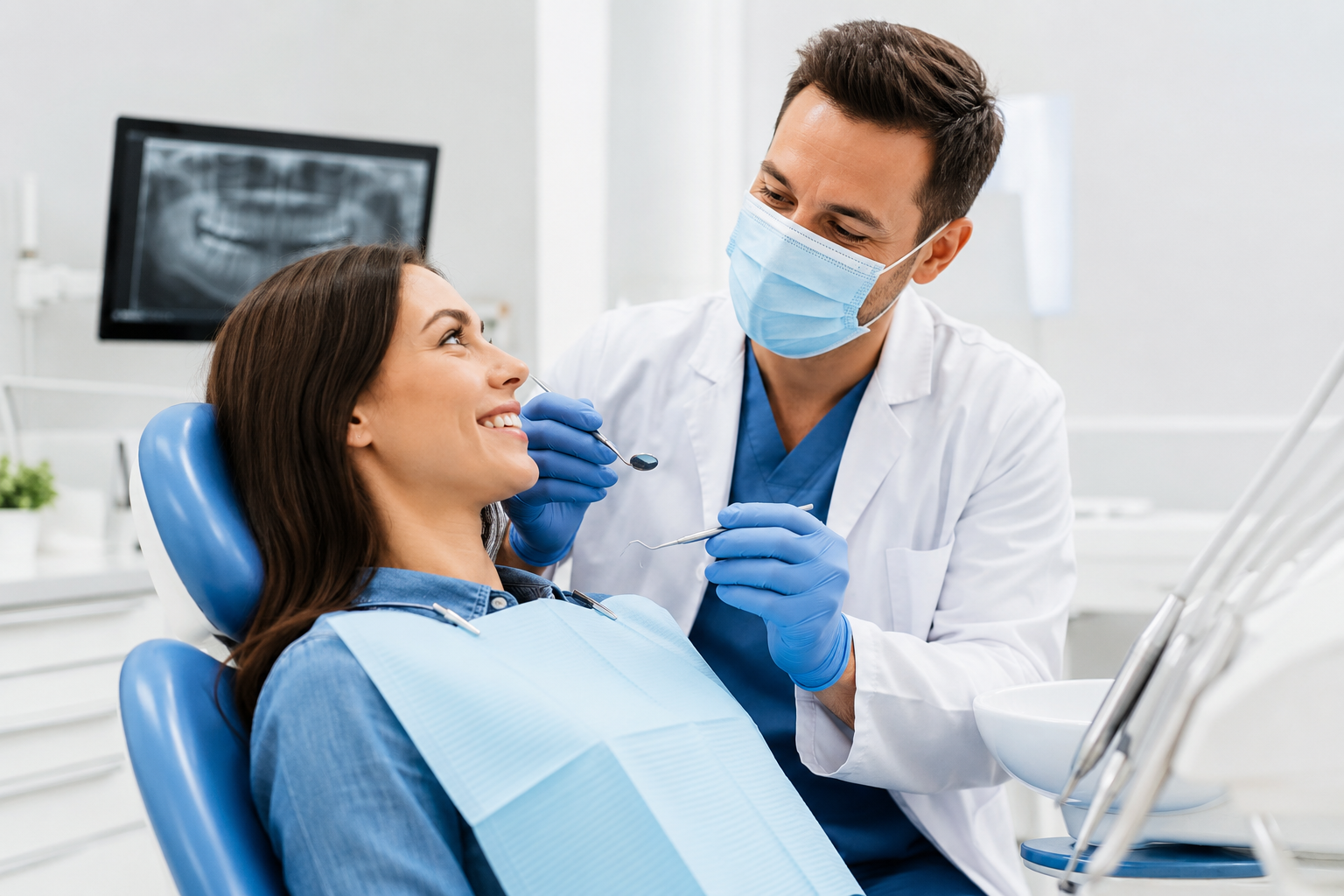
Tooth color naturally varies from person to person. It can also change gradually because of age, daily habits, dental conditions, and previous treatment.
Many stains are described as either surface stains or internal discoloration. Surface stains collect on the outside of the teeth. Coffee, tea, red wine, tobacco, and strongly pigmented foods are common contributors. These stains may respond well to professional cleaning, whitening, or a combination of the two.
Internal discoloration develops within the tooth. It may relate to tooth development, trauma, medication exposure, or changes inside an individual tooth. These cases can be more difficult to whiten evenly. A single tooth that becomes noticeably darker than the others should be examined rather than simply covered with whitening gel.
It is also important to distinguish stains from plaque or tartar. Whitening products are not a substitute for routine dental cleanings and preventive care.
Comparing Teeth Whitening Options
Whitening treatments generally use bleaching ingredients to break up discoloration. The right method depends on the type of staining, the health of the teeth and gums, sensitivity history, and the patient’s preferences.
In-office professional whitening
In-office whitening is performed under dental supervision. The dental team protects the gums and other soft tissues before applying the whitening material. This option may appeal to patients who want a controlled treatment and prefer not to manage multiple applications at home.
A supervised visit also gives the dental team an opportunity to monitor comfort and adjust the approach when appropriate. Results still differ among patients because not every type of discoloration responds in the same way.
Dentist-supervised take-home whitening
Take-home systems supplied by a dentist usually include whitening gel and trays designed to hold the material against the teeth. The dentist provides instructions covering the amount of gel to use, how to wear the trays, and what to do if sensitivity develops.
This approach offers flexibility because whitening takes place at home. It also requires consistency and careful use. Applying more product than directed does not necessarily create a better result and may increase irritation.
Over-the-counter products
Drugstores and online retailers offer whitening strips, gels, rinses, toothpastes, and tray systems. These products can be convenient, but their fit, ingredients, and instructions vary.
Whitening toothpaste primarily helps remove some surface staining. It should not be expected to change deep discoloration in the same way as a bleaching treatment. Shoppers can look for products bearing the American Dental Association Seal of Acceptance and follow all package directions.
The American Dental Association’s overview of whitening explains that treatment decisions should take into account a patient’s oral health, lifestyle, preferences, restorations, and sensitivity history.
What Should Happen Before Whitening?
Start with a dental examination
A dental examination can help determine what is causing the color change and whether bleaching is appropriate. Depending on the patient’s needs, the evaluation may include a health history, dental history, examination, and diagnostic imaging.
This step matters because cavities, gum irritation, exposed root surfaces, damaged teeth, or other dental concerns can affect comfort and the treatment plan. Treating an underlying problem is more important than changing the tooth’s color.
Discuss crowns, fillings, veneers, and implant restorations
Whitening products change the appearance of natural tooth structure, but they generally do not change the shade of tooth-colored fillings, crowns, veneers, or implant crowns. The ADA recommends identifying existing restorations before bleaching so the patient and dentist can plan for a balanced appearance.
For example, natural teeth surrounding a front crown may become lighter while the crown remains its original shade. That does not mean whitening failed. It means the materials respond differently.
Patients considering a new crown, veneer, bridge, or implant restoration should ask how whitening fits into the overall sequence of care. Coordinating the shade in advance may help the dental team plan a more harmonious result.
Talk about previous sensitivity
Temporary tooth sensitivity and gum irritation are possible concerns with whitening. Patients should tell the dentist if their teeth already react to cold drinks, if their gums feel sore, or if they previously had difficulty with a whitening product.
A dentist may recommend a different method, changes to the whitening plan, or treatment for an existing dental problem. Anyone who develops severe, persistent, or worsening discomfort should stop using the product and contact a dental professional.
What Results Can Patients Expect?
Whitening can brighten many natural teeth, but it cannot guarantee a particular shade. Starting color, stain type, enamel characteristics, diet, and treatment method all influence the outcome.
Natural teeth also have subtle variations in color. Canine teeth, for example, may appear slightly warmer than front teeth. The goal is usually a cleaner, brighter smile that still looks natural—not necessarily an identical shade across every tooth.
Patients should be cautious about dramatic online before-and-after images. Lighting, camera settings, editing, and even lipstick color can change how white teeth appear. A dentist can provide more realistic guidance after examining the smile in person.
How to Help Maintain a Brighter Smile
No whitening result is permanent. Teeth continue to encounter pigments from foods, drinks, and everyday habits. Simple preventive steps may help a brighter shade last longer:
- Brush twice daily with fluoride toothpaste and clean between the teeth each day.
- Keep up with recommended dental examinations and professional cleanings.
- Rinse with water after coffee, tea, red wine, or other deeply colored drinks.
- Avoid smoking and other tobacco use.
- Use whitening products only as directed rather than applying them continuously.
- Ask a dentist whether occasional touch-ups are appropriate.
Good oral hygiene is still the priority. A tooth can look white while having decay, a fracture, or another problem that requires attention.
Whitening Around Oral Surgery or Dental Implant Care
Patients who recently had an extraction, bone graft, implant procedure, or another oral surgery should not apply whitening products over irritated or healing tissues without clinical guidance. Early symptom improvement, soft-tissue healing, integration of a dental implant with the bone, and placement of the final restoration are separate stages of care.
Because every surgical situation differs, there is no single whitening timeline that applies to everyone. The oral surgeon and restorative dentist can help decide when the mouth is ready and how to coordinate whitening with the color of future crowns or implant restorations.
Whitening also will not change the shade of an existing implant crown. If that crown appears mismatched after surrounding natural teeth are whitened, a dentist can explain the available cosmetic options.
How Much Does Teeth Whitening Cost in Lorton, VA?
The cost of teeth whitening varies by treatment type, the number of visits or applications involved, and whether customized trays or other materials are included. A low advertised price may not represent the full treatment, so patients should ask exactly what an estimate covers.
Useful questions include:
- Does the fee include an examination or cleaning?
- Is the treatment performed in the office or at home?
- Are custom trays, gel refills, or follow-up visits included?
- What happens if sensitivity develops?
- Will existing dental restorations affect the final appearance?
Because whitening is usually pursued for cosmetic reasons, patients should check directly with their dental office and insurance plan regarding benefits, exclusions, and payment options.
Frequently Asked Questions
Is professional whitening better than store-bought whitening?
Neither option is automatically right for every person. Professional care provides individualized evaluation and clinical supervision, while store-bought products may offer convenience for suitable patients. The cause of discoloration, dental health, sensitivity, and desired outcome should guide the choice.
Can yellow teeth be whitened?
Many surface stains and some natural yellowing may respond to bleaching, but results vary. Gray, brown, banded, or single-tooth discoloration may respond differently and should be assessed by a dentist.
Will whitening damage enamel?
Patients should use an appropriate product exactly as directed and avoid overuse. A dental professional can help determine whether whitening is suitable, particularly when a patient has sensitivity, cavities, gum concerns, or damaged teeth.
Can a patient whiten crowns, veneers, fillings, or dental implants?
Whitening does not typically lighten restorative materials. A dentist should identify visible restorations before treatment and explain how the shade difference may affect the smile.
Should teeth be cleaned before whitening?
A dental team may recommend a cleaning when plaque, tartar, or surface deposits are present. An examination can determine whether cleaning or other dental care should occur before bleaching begins.
When should someone avoid whitening?
A person should pause and seek professional guidance when there is unexplained tooth pain, a newly darkened tooth, active gum irritation, untreated dental disease, recent oral surgery, or significant sensitivity. Individual health circumstances may also affect the recommendation.
Plan a Brighter Smile With Professional Guidance
Safe, satisfying whitening begins with realistic expectations and a healthy foundation. A general dentist can evaluate the cause of discoloration, compare whitening choices, and check whether visible restorations may affect the result.
Patients in Lorton, VA, who have questions about coordinating whitening with extractions, dental implants, or other oral surgical care may contact Lorton Dental Implant & Oral Surgery. The Lorton office is located at 7764 Armistead Road, Suite 240A, Lorton, VA 22079. The practice can address oral surgery concerns and help patients understand how surgical treatment may fit into a broader dental plan; patients should confirm directly whether they need to see their general dentist for whitening services.