
Family Dentist Springfield VA Lorton VA — Compassionate Care, Modern Dentistry for Your Whole Family
You’ll find family dental care in Springfield and Lorton that balances expert treatment with a warm, neighborhood approach so everyone in your household feels comfortable and confident about their smiles. A local family dentist offers preventive care, clear treatment options, and convenient access to keep busy households on track with healthy teeth and gums.
They focus on patient comfort, modern treatments, and practical advice that fits your family’s schedule and needs. Expect explanations that make procedures easy to understand, safety and comfort measures that ease anxiety, and flexible appointment options for Springfield and Lorton residents who juggle work, school, and activities.
Comprehensive Dental Care for Families
This practice delivers preventive care, routine cleanings, child-friendly services, and personalized treatment plans. Families find coordinated care that reduces visits, protects oral health, and fits busy Springfield and Lorton schedules.
Preventive Dentistry for All Ages
Preventive dentistry focuses on stopping problems before they start. The office provides fluoride varnish for children, dental sealants on molars to block decay, and prescription-strength fluoride or desensitizing agents for adults with sensitivity.
Clinicians perform oral cancer screenings, gum disease assessments, and digital X-rays that use lower radiation. They teach specific brushing and flossing techniques, recommend interdental cleaners for tight contacts, and create at-home routines based on each patient’s risk factors.
The practice also advises on diet and habits that affect teeth, such as limiting acidic drinks and addressing bruxism with nightguards. Preventive care plans include recall intervals tailored to children, adults, and seniors to catch changes early.
Routine Check-Ups and Cleanings
Appointments combine a clinical exam, professional cleaning, and targeted education in one visit. Hygienists remove plaque and hardened calculus, polish tooth surfaces, and apply topical fluoride when indicated to strengthen enamel.
Dentists examine restorations, check bite alignment, and evaluate soft tissues for signs of disease. Digital records document progression, so comparisons at future visits identify trends like enamel erosion or gum recession.
Scheduling aligns with school calendars and work hours to minimize disruption. Reminders and online booking simplify follow-ups, and extended cleaning visits allow time for anxious patients or those with complex needs.
Gentle Pediatric Dentistry
The team uses behavior-friendly techniques to make visits calm and positive for children. Staff greet families warmly, explain procedures in simple language, and use age-appropriate tools and distractions to reduce fear.
Early visits emphasize tooth eruption patterns, pacifier/thumb-sucking counseling, and nutrition guidance to prevent cavities. Sealants and fluoride varnishes are offered as soon as molars erupt, and parents receive coaching on brushing technique for toddlers and school-age children.
When treatment is required, clinicians present clear options and sedation choices suited to the child’s age and temperament. The practice coordinates with pediatricians when medical or developmental conditions affect dental care.
Tailored Oral Health Plans
Clinicians create individualized plans based on medical history, decay risk, gum health, and cosmetic goals. Plans list recommended services, timing, cost estimates, and preventive steps the family can take at home.
For patients with periodontal disease, plans include scaling and root planing schedules, antimicrobial rinses, and maintenance intervals. For those needing restorative work, the plan specifies material choices—composite for front teeth, porcelain or zirconia for crowns—and explains longevity and care.
The office also integrates specialty referrals—orthodontics, endodontics, or oral surgery—when needed and coordinates appointments to reduce travel. Financial options and insurance guidance appear in writing so families can make informed decisions.
Patient Experience and Comfort
The practice prioritizes calm, efficient visits and clear communication so patients feel respected and informed. Staff focus on smooth check-ins, timely appointments, and personalized interactions that reduce stress from arrival to follow-up.
Welcoming Office Environment
Patients notice the reception area first: comfortable seating, natural light, and magazines arranged for short waits. The front-desk team confirms insurance and arrival paperwork by phone before appointments when possible, which shortens time at the desk.
Treatment rooms use ergonomic dental chairs with lumbar support and warm blankets on request. Operatories feature noise-reducing ceilings, individual TVs with headphones, and dimmable lighting to create a less clinical feel.
Infection-control protocols follow ADA guidelines and are visible: sealed instrument trays, single-use items, and hand-sanitizer stations. Clear signage explains protocols, helping patients understand safety measures without needing to ask.
Personalized Patient Education
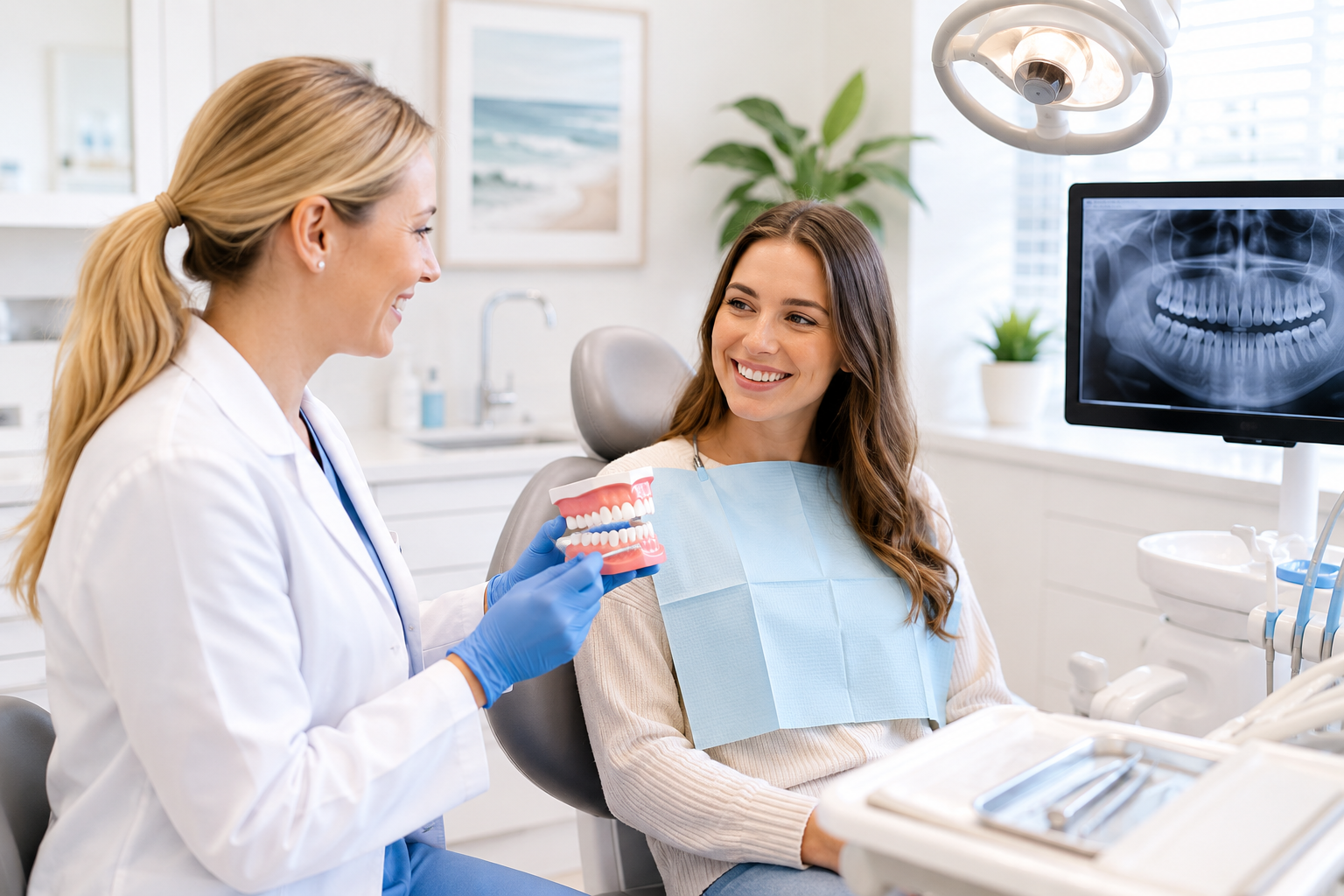
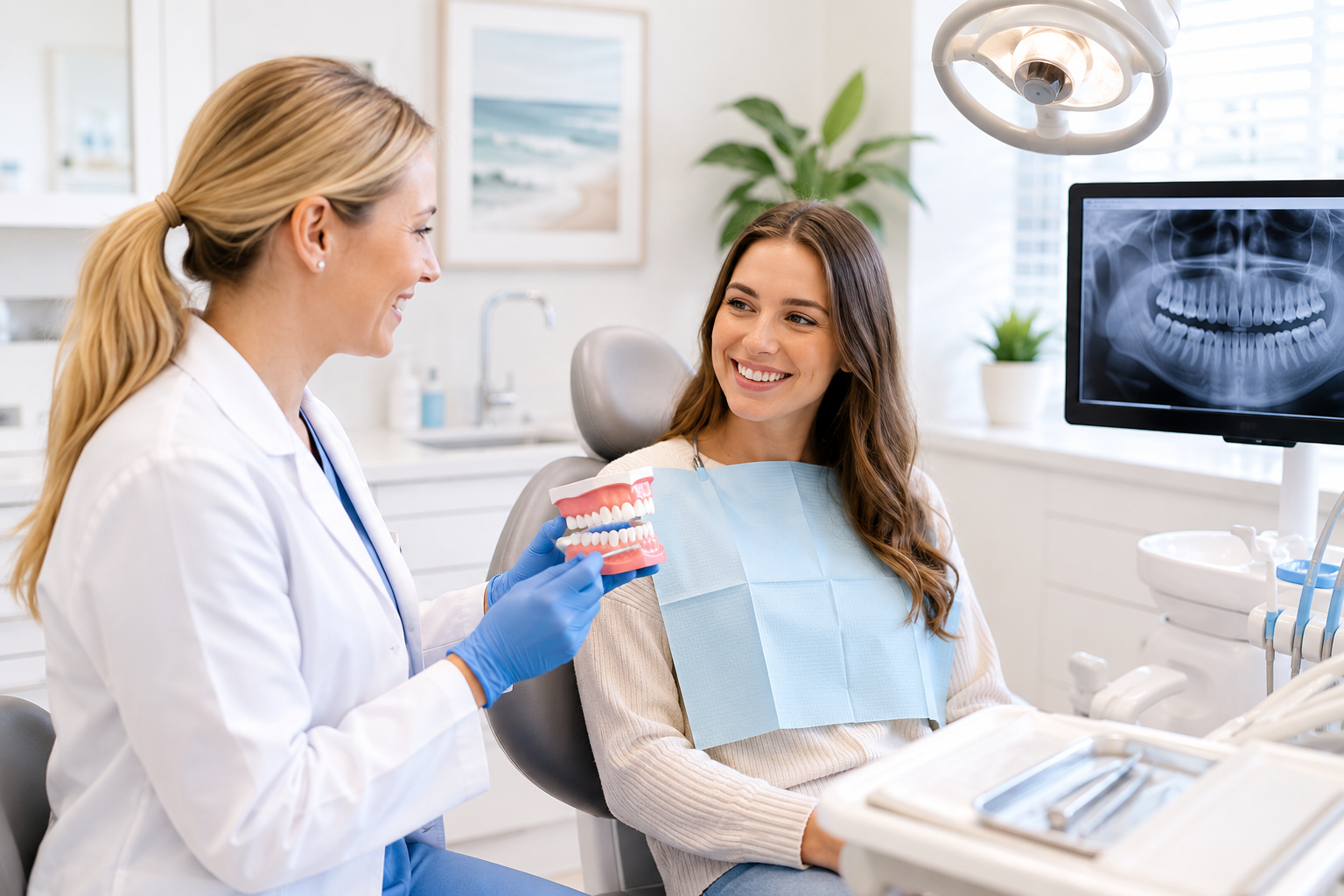
Clinicians explain findings using intraoral photos and low-radiation digital X-rays shown on chairside monitors. They point to specific teeth and gingival areas while describing problems in plain language, which helps patients connect visuals to advice.
Treatment options list costs, timeframes, and likely outcomes side-by-side so families can compare realistically. The team offers printed care plans and email summaries that include recommended home-care steps and recall intervals.
For children and anxious adults, the staff demonstrates brushing and flossing techniques using models and short instructional videos. They follow up post-treatment with phone or text check-ins to answer questions and reinforce home care instructions.
Sedation and Anxiety Management
The practice offers multiple anxiety-control options tailored to patient needs: nitrous oxide for mild-to-moderate anxiety, oral sedatives prescribed and explained beforehand, and IV sedation for longer or more invasive procedures. Each option includes a pre-procedure medical review and written consent.
Clinicians use behavioral techniques along with sedation: scheduled short breaks during treatment, guided breathing cues, and clear countdowns before injections or high-sound equipment. Staff document patient preferences—music choice, hand signals, or need for a companion—and honor them every visit.
Emergency preparedness stays current with regular staff training in ACLS and oxygen delivery, and the office maintains written protocols for sedation monitoring. Patients receive explicit pre- and post-sedation instructions, including fasting rules and transportation arrangements.
Modern Dental Treatments Offered
Patients can expect precise imaging, cosmetic enhancements, and durable restorations that prioritize comfort and long-term oral health. Treatments use digital tools to speed diagnosis, minimally invasive techniques to preserve tooth structure, and materials designed to match natural teeth.
Digital X-Rays and Diagnostics
The practice uses digital radiography and intraoral cameras to capture high-resolution images with up to 80% less radiation than traditional X-rays. Dentists review images on a chairside monitor to point out decay, bone loss, and early signs of infection so patients see exactly what needs attention.
They also employ 3D cone beam CT scans for complex implant planning and evaluation of impacted teeth. These scans provide accurate measurements for implant placement, sinus assessments, and orthodontic planning, reducing surprises during procedures.
Digital bite analysis and gum charts track occlusion and periodontal status over time. Electronic records allow the team to compare images from previous visits, improving preventive care and spotting trends before symptoms appear.
Cosmetic Dentistry Solutions
Cosmetic options include tooth whitening, porcelain veneers, tooth-colored crowns, and composite bonding to correct stains, chips, and gaps. Whitening uses in-office LED-accelerated systems or take-home trays customized to the patient’s enamel sensitivity.
Veneers are prepared with a conservative approach: minimal enamel removal and digital smile design to preview results. Porcelain crowns match shade and translucency for natural appearance while protecting teeth after large restorations or root canals.
Composite bonding repairs small defects in a single visit and preserves more natural tooth structure than crowns. The dentist discusses longevity and maintenance for each option, including expected lifespan (whitening: 6–24 months, veneers/crowns: 10–15 years with good care).
Restorative Procedures
Restorative care covers fillings, root canals, crowns, bridges, dentures, and dental implants tailored to function and aesthetics. Composite fillings use tooth-matching resin that bonds chemically, reducing microleakage and preserving tooth strength.
Root canal therapy employs rotary instruments and digital imaging to clean infected canals; follow-up restoration typically involves a crown to prevent fracture. For tooth replacement, single implants restore function with a titanium root and porcelain crown, while implant-supported bridges handle multiple missing teeth.
Removable options include well-fitting partial and full dentures made from modern acrylics and flexible materials for comfort. The dentist evaluates bone volume, bite alignment, and patient goals to recommend the most durable, cost-effective solution.
Convenient Access for Springfield and Lorton Residents
Patients find appointment flexibility, clear payment choices, and neighborhood-centered locations that minimize travel time and coordinate care for families.
Flexible Scheduling Options
The practice offers evening appointments on Tuesdays and Thursdays until 7:00 PM and Saturday slots from 8:00 AM–1:00 PM to fit work and school schedules. Online booking allows patients to view available times, choose a provider, and receive automated reminders by email or text.
Same-day slots are held each weekday for urgent issues like a knocked-out tooth or severe pain, and new-patient welcome visits are usually available within one week.
They also provide brief early-morning appointments for caregivers who must drop children at school, plus priority scheduling for patients with special needs to reduce waiting-room time.
Insurance and Payment Plans
The office accepts major commercial plans common in Northern Virginia, including CareFirst BlueCross BlueShield, Delta Dental, Aetna, and Cigna, and files claims electronically to speed reimbursement. Patients can confirm benefits via a dedicated insurance coordinator who verifies coverage, estimates out-of-pocket costs, and explains remaining deductibles before treatment.
For uninsured or high-outlay procedures, the practice offers an interest-free payment plan up to six months and low-interest financing through a national partner for larger cases like implants. They accept credit cards, checks, HSA/FSA cards, and offer a discounted cash-pay rate for routine cleanings and exams.
Location Benefits for Local Families
The Springfield office sits near the Springfield Town Center with ample free parking and easy access from I‑95 and Route 644, reducing commute time for families across the West Springfield and Franconia neighborhoods. The Lorton location is close to Lorton Road and Pohick Road, within a short drive for residents of Lorton Park and South County, and offers a stroller-friendly entrance and family restrooms.
Both offices coordinate pediatric and adult appointments on the same day when requested, so parents can schedule a child’s cleaning and an adult’s checkup back-to-back. Nearby pharmacies and lab services speed follow-up prescriptions and diagnostic tests when needed, keeping care efficient and family-focused.
Community Focus and Family Values
The practice prioritizes accessible care, neighborhood involvement, and practical education so families feel supported beyond the dental chair. Staff engage with schools, local events, and community groups to build trust and offer preventive resources.
Supporting Local Events
The team sponsors and participates in seasonal health fairs, school carnivals, and Lorton and Springfield community days. They set up a booth with free oral-health kits, demonstrations on brushing technique, and a quick screening station for children and seniors.
Dentists and hygienists speak at vendor tents, answering common questions about fluoride, sealants, and dental anxiety. They coordinate with event organizers to offer appointment vouchers and sliding-scale consultations for uninsured residents.
Volunteer efforts include mobile-clinic visits to senior centers and partnership tables at farmers’ markets where they distribute bilingual brochures and registration forms for new patients. These activities focus on immediate access, prevention, and clear next steps for follow-up care.
Educational Outreach in Schools
Dental staff run classroom visits and assemblies in Springfield and Lorton elementary schools, teaching toothbrushing, cavity prevention, and healthy snack choices. They bring models and kid-friendly visuals to demonstrate flossing and explain why regular checkups matter.
Programs include teacher toolkits with lesson plans and take-home sheets for parents on fluoride use, xylitol gum for older kids, and how to recognize early signs of cavities. The practice offers in-school sealant clinics under parent consent to reduce decay rates in first and second graders.
They also train school nurses to identify urgent dental issues and provide a direct referral line for same-week appointments. Outreach emphasizes practical steps families can take immediately — scheduling routine cleanings, applying preventive treatments, and seeking help for pain or trauma.
Taking the Next Step Toward Healthy Smiles
They encourage patients to schedule an initial visit to assess needs and build a personalized care plan. A short exam, digital x-rays, and a conversation about goals give the dentist a clear starting point.
Families receive practical guidance on daily care and age‑appropriate prevention. Topics include brushing technique, fluoride choices, sealants for children, and night guards for teeth grinding.
If restorative or cosmetic work is needed, they explain options with clear pros and cons. Patients see visuals and timelines, making decisions easier and reducing anxiety.
New patients can use these simple steps to get started:
- Call or book online to request an appointment.
- Bring any dental records and a list of medications.
- Ask about insurance, financing, and sedation options if nervous.
They emphasize comfort throughout every visit. Friendly staff, modern equipment, and gentle techniques help make visits calm and efficient.
Patients who want faster answers can request a phone consult or virtual screening. This option helps determine urgency and prepares the team before an in‑office visit.
They invite questions and encourage people to speak up about fears or preferences. A brief call or message moves the process forward and brings healthier smiles within reach.
Frequently Asked Questions
This section covers practical guidance on choosing a family dentist, routine and preventive services to expect, how to interpret recent patient reviews, what happens at a first visit, modern implant options and candidacy, and ways dental teams reduce anxiety during appointments.
How do I choose a family dentist who’s a good fit for both kids and adults?
They should offer pediatric-friendly techniques and adult restorative care under one roof. Look for clinicians who maintain continuing education in both child behavior management and adult prosthodontics.
Confirm the office schedules family block appointments, uses kid-sized instruments and fluoride protocols, and offers age-appropriate preventive plans. Ask about staff training in pediatric emergencies and whether the practice welcomes parents in the treatment room.
Check licensure, board certifications, and membership in professional organizations. A comfortable office environment and clear communication about fees and insurance matter as much as clinical credentials.
What services should a full-service dental office offer for routine and preventive care?
Expect comprehensive exams, digital x-rays, routine cleanings, and oral cancer screenings. These form the backbone of preventive dentistry for all ages.
The office should provide fluoride treatments, sealants for children, periodontal screenings, and personalized hygiene instructions. Dental night guards and athletic mouthguards are common preventive adjuncts.
Practice-wide preventive care includes recall scheduling, care coordination for special-needs patients, and in-office whitening or cosmetic consultations when desired. Transparent pricing and insurance coordination also belong to routine services.
What are patients saying in recent reviews about local dental groups, and what should I look for?
Recent reviews often mention appointment punctuality, staff friendliness, and pain management during procedures. Look for consistent comments across multiple platforms rather than single high or low ratings.
Pay attention to mentions of communication about treatment options and cost, clarity of post-op instructions, and how the office handles problems. Reports of modern equipment (digital records, intraoral cameras, same-day restorations) suggest investment in current care standards.
Note how the practice responds to negative reviews; a professional, solution-focused reply indicates good patient relations. Prioritize patterns—repeated praise for one clinician or repeated complaints about billing reveal what matters most.
What can I expect during a first visit for a new patient exam and cleaning?
The visit typically begins with medical and dental history intake and a review of medications and allergies. Staff will update or verify insurance and ask about specific concerns or goals.
Clinician assessment includes a full-mouth exam, periodontal charting, and intraoral or panoramic x-rays as indicated. A hygienist performs scaling and polishing, then provides tailored home-care instructions.
The dentist reviews findings, discusses treatment needs or preventive recommendations, and provides a written estimate before scheduling follow-ups. New patients should expect clear next steps and time to ask questions.
What are today’s comfortable options for dental implants, and who is a good candidate?
Modern implant systems use tapered titanium or zirconia posts with biocompatible surfaces to promote predictable integration. Options include single-tooth implants, implant-supported bridges, and full-arch solutions like fixed hybrids or overdentures.
Candidates generally need adequate jawbone volume or can receive bone grafting to build support. Non-smokers or those willing to quit, controlled systemic health (e.g., managed diabetes), and good oral hygiene make the best candidates.
Sedation choices (local anesthesia, nitrous oxide, oral sedatives, or IV sedation with appropriate monitoring) improve comfort during placement. Discuss realistic timelines, costs, and maintenance requirements with the implant team.
How can a dental team help with dental anxiety and make appointments more comfortable?
Teams should offer pre-visit phone consultations to review fears and plan accommodations. Common supports include progressive scheduling, calmer office environments, and predictable step-by-step explanations.
Clinics often provide nitrous oxide, oral sedation, or IV sedation depending on patient needs and medical history. Non-pharmacologic approaches—short breaks, weighted blankets, headphones with music, and clear signals to pause—also increase comfort.
Staff training in empathetic communication and gradual exposure techniques helps patients build confidence over multiple visits. Encourage contacting the office to discuss specific concerns before booking an appointment.