
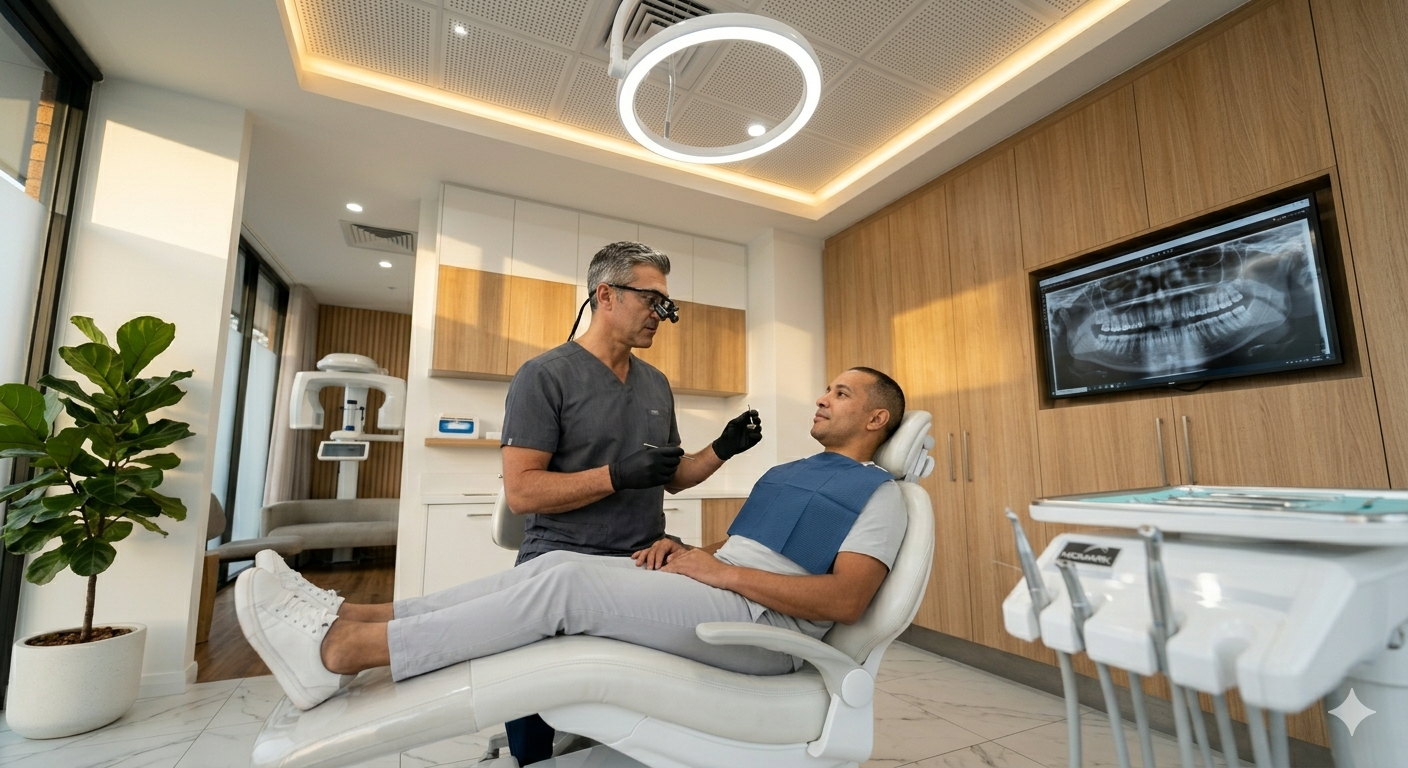
Bone Grafting Lorton VA: Gentle, Modern Solutions to Restore Your Smile
If you need a bone graft in Lorton, VA, you can expect precise care that rebuilds jawbone to support dental implants and restore facial structure. A well-executed bone graft gives you the stable foundation required for long-lasting implants and a more confident smile.
They will explain what the procedure involves, who benefits, and how modern techniques reduce discomfort and speed healing. You’ll learn what to expect before, during, and after treatment, plus how to choose a local dental team that prioritizes comfort and long-term oral health.
Understanding Bone Grafting
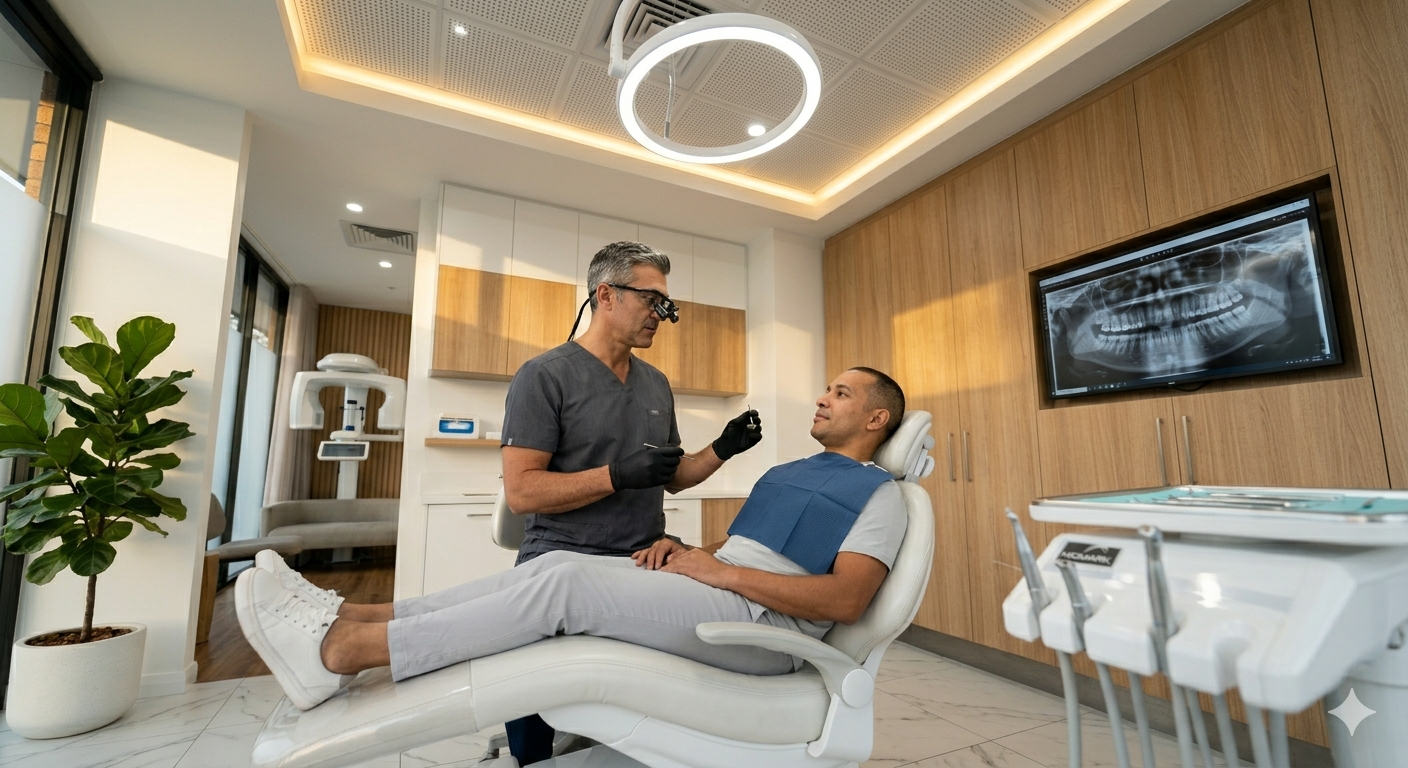
Bone grafting restores jawbone volume, supports dental implants, and prevents facial collapse after tooth loss. It involves adding bone material to deficient areas and guiding new bone growth for long-term stability.
What Is Bone Grafting?
Bone grafting places bone or bone-like material into the jaw where bone has been lost or is insufficient. Dentists perform it to rebuild the bone ridge, fill extraction sockets, or prepare sites for implants that require solid, well-vascularized bone.
The procedure can be done in-office under local anesthesia with or without sedation. They shape the graft to the defect, secure it with membranes or screws when needed, and close the site for healing. Recovery typically takes several months while the body integrates the graft and forms new bone.
Patients often ask about pain and success rates; modern techniques minimize discomfort and show high success when patients follow instructions and attend follow-up visits. Smoking, uncontrolled diabetes, and certain medications can impair healing and should be discussed beforehand.
Why Dental Bone Is Important
Jawbone volume maintains tooth stability, supports facial contours, and anchors dental implants. When a tooth is lost, the adjacent bone no longer receives stimulation and begins to resorb, often within months.
Loss of bone can complicate future treatments: implants may not fit, bridges may lack support, and dentures can become loose. Restoring bone preserves function and aesthetics, preventing sunken cheeks and bite changes. Early intervention after extraction often yields simpler grafting and better long-term outcomes.
Clinicians assess bone quality and quantity with CBCT scans to plan graft size, shape, and placement. This imaging helps predict implant positioning and identify nearby structures like sinuses and nerves to avoid complications.
Types of Bone Grafts Used
Autografts use the patient’s own bone (commonly from the chin, jaw, or hip). They offer the best chance for integration because they contain living cells and natural growth factors, but require a second surgical site.
Allografts come from screened human donors and are processed to be safe and ready to use. They avoid a donor-site surgery and work well for many augmentations, though they rely on the recipient’s biology to form new bone.
Xenografts derive from animal sources (often bovine); they act as a scaffold for new bone while gradually resorbing. Synthetic grafts (alloplasts) use materials like hydroxyapatite or beta-tricalcium phosphate and provide predictable structure without biological risk. Clinicians choose based on defect size, patient health, and treatment timeline.
Benefits for Dental Implants
Bone grafting improves the chances of a stable, long-lasting implant and restores lost jawbone volume so implants sit and function like natural teeth. It also helps preserve facial contours and supports surrounding teeth for better oral health.
Enhancing Implant Success
Bone grafting provides the solid foundation implants need to integrate with the jawbone, a process called osseointegration. When patients lack sufficient bone height or width, grafting—using autograft, allograft, xenograft, or synthetic materials—creates the necessary bulk so implants can be placed with predictable stability.
Clinicians often stage grafting and implant placement: immediate grafting with a socket preservation after extraction or staged grafting followed by implants months later. This approach reduces implant failure rates and lowers the risk of complications like implant mobility or chronic inflammation.
Patients benefit from higher long-term success rates and fewer revision surgeries. Proper graft choice and technique, tailored to the defect and patient health, directly influence outcomes.
Restoring Jawbone Strength
Grafting restores vertical height and horizontal width, which re-establishes chewing function and evenly distributes bite forces. Stronger bone reduces stress on individual implants and adjacent teeth, preventing overload and potential fracture.
The procedure also helps maintain facial structure by supporting the lips and cheeks, which can collapse after bone loss. For smokers, poorly controlled diabetics, or patients with periodontal history, grafts combined with tailored medical management improve the bone’s capacity to heal.
Postoperative care—antibiotics when indicated, soft diet, and good oral hygiene—supports bone remodeling. Regular follow-up and imaging confirm graft integration before final prosthetic loading, ensuring the restored bone performs reliably over time.
Who Needs This Procedure?
Bone grafting restores lost jawbone volume so patients can receive dental implants, stabilize dentures, or repair damage after injury or disease. Candidates often face specific medical or dental causes of bone loss that dentists in Lorton, VA evaluate before recommending grafting.
Common Reasons for Bone Loss
- Tooth loss: When a tooth is missing for months or years, the jawbone at that site resorbs because it no longer receives stimulation from chewing.
- Periodontal (gum) disease: Advanced gum infection destroys the bone supporting teeth; bone grafts can rebuild these areas to prevent further tooth movement or loss.
- Trauma and fractures: Facial injuries, accidents, or prior surgical resections can create bone defects that grafting fills to restore form and function.
- Long-term denture wear: Dentures that rest on the gums without implants can accelerate bone loss over time, making future prosthetic options more difficult.
- Congenital or developmental defects: Some patients are born with underdeveloped jaw segments requiring grafts before implants or orthodontic work.
Dental implants usually require at least 6–8 mm of bone height and 4–6 mm of width at the implant site. When those dimensions are lacking, grafting becomes necessary.
Evaluating Candidacy
Dentists review medical history, oral health, and imaging—typically CBCT scans—to measure bone volume precisely. They check for uncontrolled diabetes, smoking, and certain medications (like bisphosphonates) that increase complication risk.
A periodontal exam assesses gum health and infection control; active infections must be treated before grafting. Bone graft materials vary (autograft, allograft, xenograft, synthetic), and the dentist tailors choice to the defect size, healing goals, and patient preferences.
Age alone rarely disqualifies someone; rather, healing capacity, systemic health, and commitment to follow-up matter most. Patients in Lorton often meet with the surgeon to discuss timelines, whether a staged or simultaneous implant approach fits, and what to expect for recovery and outcomes.
The Patient Experience in Lorton
Patients in Lorton can expect clear communication, individualized plans, and a focus on comfort throughout the bone grafting process. Appointments typically combine modern imaging, step-by-step explanations, and check-ins to monitor healing.
Personalized Treatment Planning
Clinics begin with a detailed evaluation that includes a CBCT scan or panoramic X-ray to measure bone volume and identify nerve or sinus proximity. The dentist reviews the images with the patient, pointing out the graft site, proposed graft material (autograft, allograft, xenograft, or synthetic), and how each option affects healing time and outcomes.
A written treatment timeline lists pre-op instructions, the graft procedure, medications, and follow-up visits at one week, one month, and three months. Cost estimates, insurance preauthorization support, and alternative plans—such as staged grafting versus simultaneous implant placement—get discussed so patients can weigh risks and benefits. The team documents medical history, current medications, and allergies to reduce complications and tailor anesthesia choices.
Comfort-First Approach
Clinics prioritize anxiety reduction with options like oral sedatives, nitrous oxide, or IV sedation administered by trained staff. Local anesthesia is standard; surgeons confirm numbness before starting and maintain communication during the procedure to ensure the patient’s comfort.
Post-op care includes a printed aftercare sheet covering pain control (acetaminophen/NSAID guidance), antibiotic use if prescribed, dietary restrictions, and activity limitations. The practice schedules a 24–48 hour check-in by phone and an in-office review within a week to assess swelling, graft stability, and suture condition. Patients receive clear signs-to-call instructions—such as fever over 101°F, uncontrolled bleeding, or severe pain—to speed intervention if needed.
Step-By-Step Treatment Process
This section explains what patients should expect before, during, and after a bone graft in Lorton, VA, including scheduling, anesthesia options, the surgical steps, and recovery guidelines focused on comfort and predictable healing.
Preparing for Your Appointment
Patients usually attend a consultation with dental imaging, often a CBCT scan, to map bone volume and nearby nerves. They should bring a list of medications, medical history, and any relevant dental records.
The practice will review anesthesia choices—local with sedation or general anesthesia—and obtain informed consent. Smoking cessation and stopping certain blood thinners may be required; the surgeon provides specific timing based on the patient’s prescriptions.
Pre-op instructions typically include fasting for general anesthesia, arranging transportation, and picking up prescribed antibiotics or analgesics. Patients with diabetes or autoimmune conditions receive tailored plans to reduce infection risk and support healing.
What Happens During the Procedure
The clinician begins by administering anesthesia and confirming patient comfort throughout. For a ridge augmentation or sinus lift, the surgeon makes a small incision to access the defect and gently prepares the site.
They place the chosen graft material—autograft, allograft, xenograft, or synthetic—into the bone defect and may use a barrier membrane or fixation screws to stabilize the graft. Procedures usually last 45–120 minutes depending on complexity.
After placement, the clinician sutures the tissue and gives immediate post-op instructions. The team confirms bleeding control, provides a written aftercare sheet, and schedules the follow-up visit to monitor healing and plan for implant placement if needed.
Post-Procedure Care
Expect mild swelling and discomfort for 3–7 days; the clinic often prescribes ibuprofen plus acetaminophen or a short opioid if necessary. Cold packs applied intermittently during the first 48 hours help reduce swelling.
Patients should follow a soft-food diet for 1–2 weeks and avoid strenuous activity or heavy lifting for at least 48–72 hours. Maintain oral hygiene with a prescribed antimicrobial rinse; avoid brushing directly over the graft site until the clinician advises.
Attend all follow-up appointments to check for infection, graft stability, and soft-tissue healing. Full graft integration often takes 3–6 months before implant placement; the surgeon will confirm timing with imaging and clear next steps.
Latest Advancements and Technology
Minimally invasive techniques now reduce discomfort and speed recovery for patients undergoing bone grafting in Lorton, VA. These approaches use smaller incisions and precision tools to preserve surrounding tissue.
3D imaging and cone-beam CT give clinicians a detailed view of the jawbone before surgery. This improves planning, helps predict graft success, and allows patients to see a visual treatment plan.
Computer-guided surgery and guided templates enhance precision during graft placement. They reduce chair time and lead to more predictable outcomes for implant-ready bone.
Biologic enhancers such as platelet-rich fibrin (PRF) and growth-factor concentrates support faster healing. These autologous materials come from the patient’s own blood and can reduce infection risk.
Engineered bone substitutes and composite grafts offer alternatives to traditional donor bone. Options include synthetic ceramics, demineralized bone matrix, and processed allografts, each with different resorption rates and handling properties.
Digital workflows integrate scanning, planning, and fabrication for custom graft supports and membranes. This coordination shortens treatment timelines and improves fit for complex cases.
Comfort-focused practice features like guided sedation, warm blankets, and clear recovery instructions help patients feel more at ease. Dentists in Lorton emphasize communication and realistic expectations at every step.
Patients curious about which technologies suit their needs should consult a local specialist. Scheduling a consultation answers questions about risks, benefits, and personalized care plans.
Recovery and Aftercare Tips
Most patients can expect manageable discomfort, predictable swelling, and clear activity and diet limits after bone grafting in Lorton, VA. Following precise home-care steps and attending scheduled check-ups helps the graft integrate and reduces complications.
Managing Discomfort at Home
Patients should plan for 48–72 hours of the most noticeable soreness and swelling. It helps to apply a cold pack on the cheek for 10–15 minutes each hour during the first day, then switch to warm compresses after 48 hours if swelling persists.
Take prescribed pain medication exactly as directed; over-the-counter ibuprofen (200–400 mg) or acetaminophen can supplement prescription meds if approved by the surgeon. Avoid aspirin for the first 72 hours unless the surgeon authorizes it due to bleeding risk.
Sleep with the head elevated on two pillows for the first few nights to limit swelling. Do not rinse vigorously, use a straw, smoke, or spit forcefully for 7–10 days, as these actions can dislodge the blood clot or graft material.
Follow instructions for oral rinses: typically, gentle saltwater rinses start 24 hours after surgery, and a prescribed chlorhexidine rinse may be recommended for up to 2 weeks. Report increasing pain, heavy bleeding, or fever above 100.4°F immediately to the Lorton clinic.
Tips for a Smooth Healing Process
Diet affects healing. Stick to a soft-food plan for 1–2 weeks: options include mashed potatoes, yogurt, smoothies (no straw), scrambled eggs, and blended soups cooled to warm. Reintroduce crunchy or chewy foods gradually after the surgeon confirms graft stability.
Maintain oral hygiene carefully. Brush teeth away from the surgical site on day one, then resume gentle brushing near the area after 3–5 days using a soft-bristled brush. Avoid oil-pulling and aggressive interdental cleaning until the dentist clears them.
Attend all follow-up visits so the clinician can inspect the graft, remove sutures if needed, and possibly take radiographs. If an infection or graft failure is suspected—persistent drainage, worsening pain, or loose graft material—the clinic will likely prescribe antibiotics or schedule an earlier appointment.
Lifestyle factors matter: avoid tobacco and limit alcohol for at least 2–4 weeks because both impair bone healing. Patients on blood thinners, bisphosphonates, or with uncontrolled diabetes should follow tailored instructions provided by their Lorton dental team to protect graft success.
Prioritizing Long-Term Oral Health
This section outlines practical steps patients can take to maintain jawbone strength after grafting and what to expect from regular dental follow-up care in Lorton. It emphasizes daily habits, targeted therapies, and the local monitoring specialists provide.
How to Prevent Future Bone Loss
Patients should maintain daily oral hygiene to reduce infection-driven bone loss. Brushing twice daily with a soft-bristle brush and using a fluoride toothpaste removes plaque without irritating healing graft sites. Flossing or using interdental brushes once daily helps clear food and biofilm between teeth where bone loss often begins.
Smoking cessation directly improves graft success and bone preservation; clinicians advise quitting at least several weeks before surgery and permanently if possible. A balanced diet rich in calcium and vitamin D supports bone metabolism; supplements are recommended only if bloodwork shows deficiency. For those with bruxism, a custom nightguard prevents mechanical overload that can accelerate bone resorption. Finally, treating periodontal disease promptly with scaling and root planing or targeted antibiotics reduces chronic inflammation that undermines bone.
Routine Follow-Ups in Lorton
Local dental practices schedule a series of follow-ups to monitor graft integration and oral health. Typical protocol: a 1–2 week wound check, a 3–4 month graft integration evaluation, and a 6–12 month radiographic review to confirm bone density and volume. These appointments include digital X-rays or CBCT scans when clinically indicated to measure bone levels precisely.
During visits, clinicians assess soft tissue healing, probe for periodontal pockets, and document any mobility or signs of infection. They adjust oral hygiene instructions, fit protective appliances if needed, and coordinate with specialists for implant placement when bone is adequate. Patients should bring a list of medications and report any persistent pain, swelling, or changes in sensation between visits. Scheduling consistent care with a trusted Lorton provider helps preserve graft gains and supports long-term restorative plans.
Choosing the Right Dental Team
Patients should look for a dental team experienced in bone grafting and implant placement. A provider who regularly performs these procedures will better anticipate complications and explain options clearly.
Credentials matter. Check for a dentist with advanced training in oral surgery or periodontics, along with board certifications and continuing education in implant dentistry.
Comfort and communication are important. The team should discuss anesthesia choices, pain management, and recovery timelines in plain language. Friendly staff who answer questions and provide written aftercare reduce anxiety.
Technology and facility standards affect outcomes. Practices that use 3D imaging, guided surgery, and sterile protocols can plan grafts more accurately. Ask whether the clinic uses modern materials and follows infection-control best practices.
Read patient reviews and ask for before-and-after photos. Testimonials reveal how a practice manages pain, healing, and follow-up care. Request references for cases similar to the patient’s situation.
Consider logistics and support services. Convenient location, flexible scheduling, clear cost estimates, and financing options make treatment easier to complete. Postoperative care and emergency access matter for peace of mind.
Encourage patients to schedule a consultation to meet the team and review a personalized treatment plan. A short visit can clarify expectations and build confidence in the chosen provider.
Next Steps Toward a Healthier Smile
After a bone grafting consultation in Lorton, VA, patients usually receive a clear post-op plan that covers pain control, oral hygiene, and activity restrictions. It helps to arrange a follow-up visit within the first two weeks so the clinician can check healing and remove any sutures if needed.
Patients should follow medication and care instructions exactly. Over-the-counter pain relievers or prescribed medicines reduce discomfort, while saltwater rinses and gentle brushing protect the graft site from infection.
Scheduling for any planned restorations, such as dental implants, typically happens after the graft integrates. That healing window can range from a few months to longer depending on graft size and individual bone quality.
Insurance and financing are important practical steps. The practice’s front office can explain coverage, estimate out-of-pocket costs, and discuss payment plans to make treatment manageable.
Common concerns often include swelling, eating, and time off work. The dental team provides tips for softer foods, cold compresses for swelling, and expected recovery timelines so patients can plan accordingly.
For personalized guidance, they encourage patients to call the Lorton office with questions or to book a consultation. A short phone call can clarify next appointments and give the reassurance people want before moving forward.
Frequently Asked Questions
This section answers specific, practical questions patients often have about bone grafting for dental implants in Lorton, VA. It covers candidacy, the procedure and pain control, healing timelines, risks, cost factors, and alternatives.
How do I know if I need a bone graft before getting a dental implant?
A dentist or oral surgeon evaluates jawbone volume and density with a CBCT scan and clinical exam. If the scan shows less than the required ridge height or width to stabilize an implant, a graft is usually recommended.
They also consider tooth history, periodontal disease, trauma, or long-term tooth loss. Patients with significant bone loss or thin ridges commonly require grafting to achieve long-term implant success.
What does a dental bone graft procedure feel like, and how is discomfort managed?
Most grafts happen under local anesthesia; patients feel pressure but not pain during the procedure. Sedation options—oral sedatives or IV sedation—are available for anxiety or longer procedures.
After surgery, soreness and swelling are typical for 3–7 days. Dentists prescribe or recommend over-the-counter pain relievers, cold packs, and short courses of antibiotics or chlorhexidine rinses when indicated.
How long does it take to heal after a bone graft before I can move forward with my next step?
Healing time depends on graft type and location; small grafts often integrate in 3–4 months. Larger or sinus-lift grafts may require 6–9 months before implant placement.
Follow-up X-rays or CBCT scans confirm bone integration. The clinician schedules the implant only when the graft shows adequate density and volume.
What are the most common risks or downsides of bone grafting, and how can they be minimized?
Common risks include infection, graft failure, swelling, and minor bleeding. Careful surgical technique, sterile handling of graft material, and proper post-op instructions reduce these risks.
Smoking, uncontrolled diabetes, and poor oral hygiene increase complications. Patients who quit smoking, manage medical conditions, and follow wound-care directions lower their risk significantly.
About how much should I expect a bone graft to cost, and what typically affects the price?
Small local grafts generally run from $300 to $1,200, while larger block grafts or sinus lifts range from $1,200 to $4,000 or more. Geographic location, specialist fees, graft material (autograft, allograft, xenograft, or synthetic), and imaging needs drive price differences.
Insurance may cover part of the cost in some cases; cosmetic-only procedures are less likely to be covered. Clinics in Lorton, VA, provide itemized estimates after evaluation.
When is a bone graft no longer a good option, and what alternatives might still work for me?
Bone grafting may be unsuitable for patients with severe systemic illness, active oral infection, or very limited healing capacity. Long-term heavy smokers or those unwilling to follow post-op care may also be poor candidates.
Alternatives include shorter or narrower implants, zygomatic implants for extreme upper-jaw loss, removable partial dentures, or fixed bridgework. A specialist will review diagnostic imaging and medical history to recommend the safest, most predictable option.
If questions remain or the reader wants a personalized assessment, they should contact their Lorton dental specialist to schedule a consultation.